

Historical Significance of Hot Water in Chinese Culture
Hot water (热水 rè shuǐ) has a long-standing presence in Chinese daily life. Historically, boiling water was a simple and effective way to ensure safety when clean drinking water was scarce.
Over time, drinking hot water evolved from a practical necessity into a cultural symbol of warmth, care, and health awareness. In many Chinese households, hot water remains the “default” beverage for daily hydration.
Health Benefits: Balance and Wellbeing
In Traditional Chinese Medicine (TCM), hot water is linked to maintaining the body’s internal balance. It is widely believed to:
- Support Digestion: Warmth helps break down food more efficiently.
- Maintain Body Temperature: Especially important during colder months or for those with a “cold” constitution.
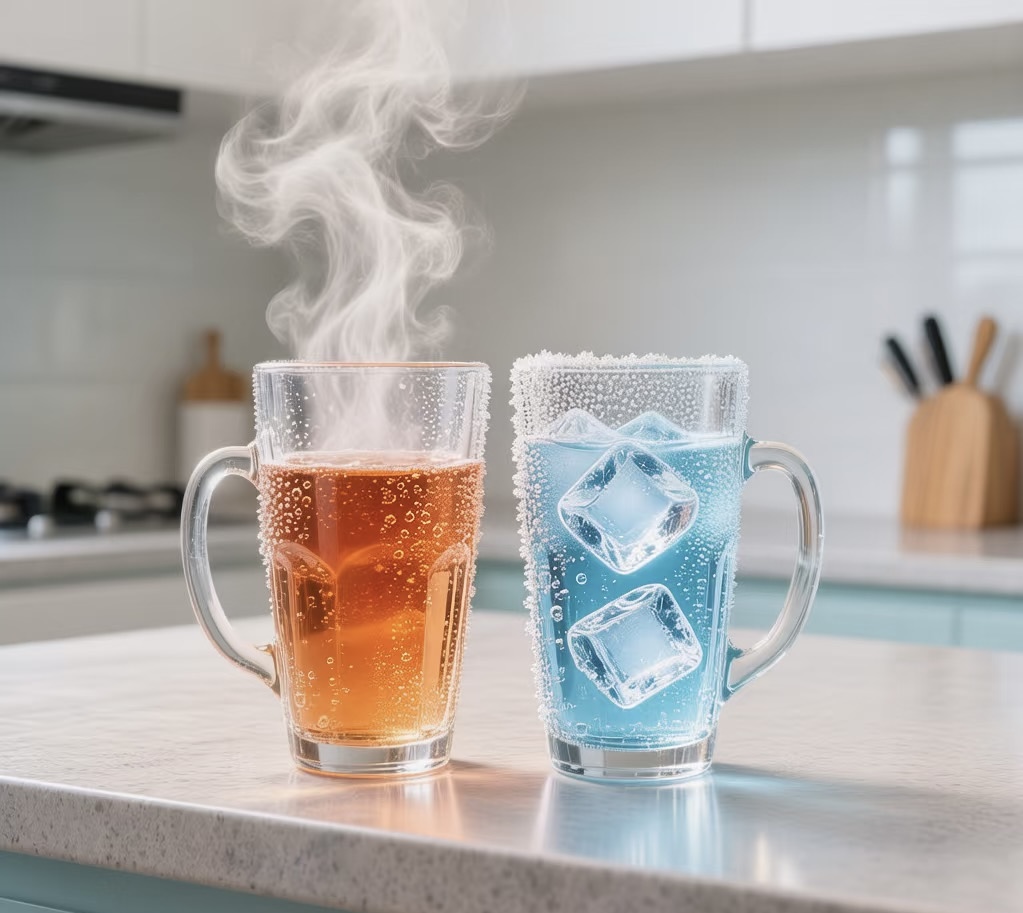
- Gentle on the Stomach: Unlike iced drinks, warm water doesn’t shock the digestive system.
- Relieve Discomfort: A common remedy for fatigue or common colds.
The phrase “Drink more hot water” (多喝热水) is a staple of Chinese care, offered whenever someone feels under the weather.
Cultural Perspectives: East vs. West
While Western cultures often prefer iced drinks for refreshment, the Chinese preference reflects a logic of bodily harmony. However, globalization is blending these habits: young people in China now enjoy iced coffee, while tea culture and warm beverages are gaining popularity in the West.
Practical Tips for Your Routine
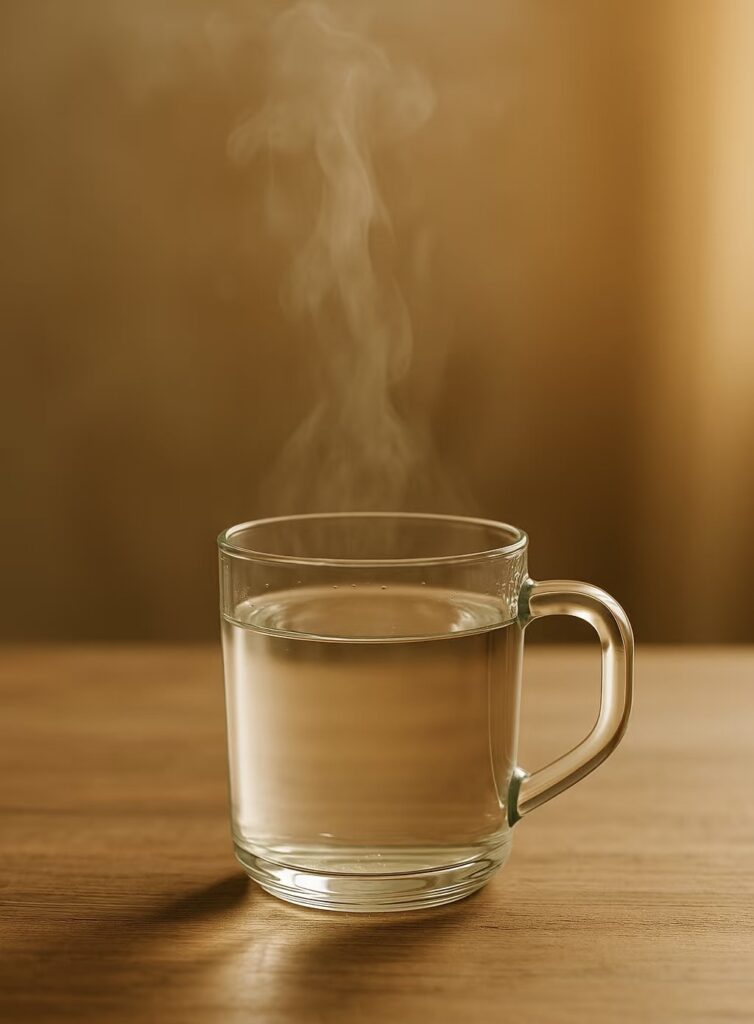
- Start your morning with a glass of warm water to “wake up” your digestive system.
- Carry a high-quality thermos to keep water at the ideal temperature throughout the day.
- Add a slice of lemon or goji berries for extra flavor and health benefits.
